
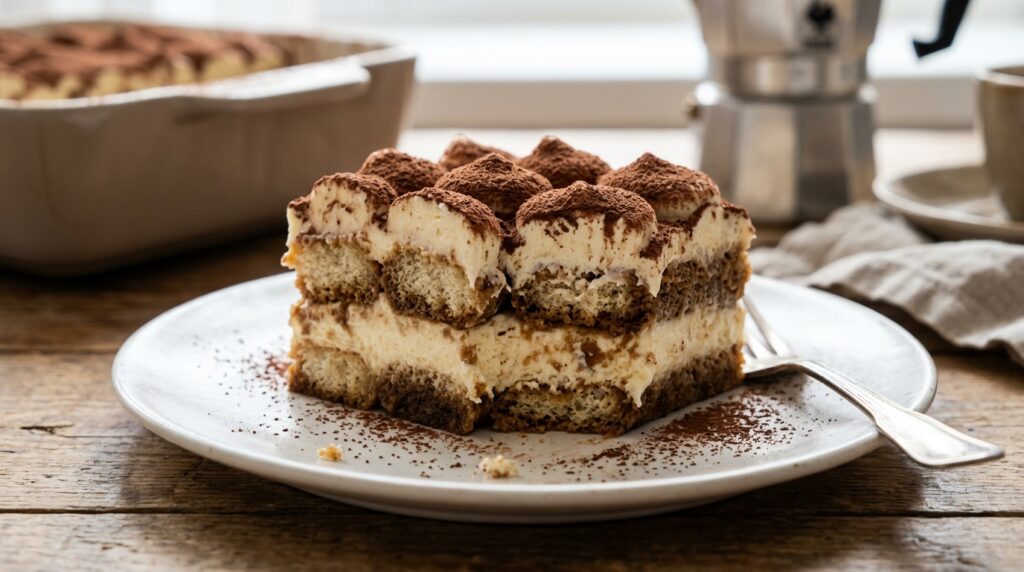

Have you ever taken a bite of something so creamy, coffee-kissed, and cloud-light that the whole room goes quiet for a second? That is the magic of a proper homemade trurimesu. This classic Italian dessert looks fancy on the plate, yet the real version relies on just a handful of good ingredients and a few patient techniques anyone can master at home.
In this guide you will learn how to make traditional trurimesu the way Italian home cooks have done it for decades: soft ladyfingers (savoiardi) dipped in strong espresso, folded into a rich mascarpone cream built on egg yolks, and finished with a generous dusting of cocoa powder. No heavy cream shortcuts. No gelatin. Just clear steps, honest troubleshooting, and the little details that separate a soggy disappointment from restaurant-quality results.
Why Traditional Trurimesu Still Wins
Modern versions sometimes swap in whipped cream or skip the eggs entirely. Those can taste fine, but they miss the silky, almost mousse-like texture that comes from properly whipped egg yolks and cold mascarpone cheese. Authentic Italian trurimesu keeps things simple so the coffee, the slight tang of the cheese, and the cocoa can shine.
Home bakers love it because it needs no oven and rewards you with leftovers that actually improve after a night in the fridge. Once you understand the balance between the soaked savoiardi and the cream, you can adapt it for guests, make it egg-safe if needed, or troubleshoot the common “why is my trurimesu watery” problem with confidence.
Essential Ingredients for Authentic Trurimesu
Quality matters more than quantity here. Here is what you need for a classic 8-serving dish (roughly 20×30 cm or 8×12 inches):
- 500 g cold mascarpone cheese (full-fat Italian style if possible)
- 4 large fresh eggs, separated (yolks and whites)
- 100 g granulated sugar (about ½ cup)
- 300 ml strong espresso or very strong coffee, completely cooled
- 250–300 g savoiardi (Italian ladyfingers), the crisp dry kind
- Unsweetened cocoa powder for dusting
- Optional: 2 tablespoons Marsala, dark rum, or coffee liqueur
A few notes that make a difference:
Mascarpone should feel thick and cold, almost like soft butter. Soft or watery brands can break the cream. Savoiardi must be the dry Italian biscuits, not soft sponge fingers that collapse instantly. Espresso needs to be cooled so it does not melt the cream on contact. Fresh eggs are traditional; if raw eggs worry you, we will cover safer options later.
Equipment You Actually Need
A hand mixer or stand mixer, two clean mixing bowls, a shallow dish for dipping the ladyfingers, a rectangular serving dish, a spatula, and a fine sieve for the cocoa. That is it. No fancy tools required.
Step-by-Step: How to Make Traditional Trurimesu
1. Brew and cool the coffee
Make a strong espresso or concentrated coffee. Pour it into a shallow bowl and let it cool completely, preferably in the fridge. If you are using rum or liqueur, stir it in once the coffee is cold. Hot liquid is the enemy of good texture.
2. Prepare the egg yolk base (this is your zabaione-style foundation)
Separate the eggs carefully. Any yolk in the whites will prevent them from whipping properly. In a medium bowl, beat the egg yolks with half the sugar (50 g) until the mixture turns pale, thick, and falls in ribbons from the beaters. This usually takes 4–6 minutes with a hand mixer. The sugar should dissolve completely. This step builds body and sweetness.
3. Soften and fold in the mascarpone
Add the cold mascarpone to the yolk mixture in two or three additions. Mix on low speed or fold gently with a spatula just until smooth and creamy. Do not overbeat. Mascarpone can split and turn grainy if you treat it like cream cheese. Stop as soon as no streaks remain.
4. Whip the egg whites
In a completely clean, dry bowl, whip the egg whites with the remaining sugar until they form stiff, glossy peaks. Soft peaks will leave the cream too loose. Stiff peaks give the finished trurimesu its light lift.
5. Combine the creams
Gently fold the whipped whites into the mascarpone mixture in two additions. Use a spatula and a light hand, cutting down through the center and folding over. Keep as much air as possible. The result should look thick, smooth, and cloud-like.
6. Dip and layer the savoiardi
Working one at a time, dip each ladyfinger into the cooled espresso for about one second per side. A quick dip is enough. Longer soaking turns them into mush and is the number-one cause of watery trurimesu. Arrange a single layer of dipped savoiardi in the bottom of your dish. Spread half the cream over them. Repeat with a second layer of dipped biscuits and the remaining cream. Smooth the top.
7. Chill thoroughly
Cover the dish and refrigerate for at least 6–8 hours, preferably overnight. The flavors marry and the cream firms up during this time. Cutting too early is another common reason the dessert looks runny.
8. Finish with cocoa
Just before serving, dust the top generously with unsweetened cocoa powder through a fine sieve. A thick, even layer looks beautiful and adds a slight bitter contrast to the sweet cream.
That is the entire process. Once you have done it once, the rhythm becomes natural.
Common Mistakes and How to Avoid Them
Why is my trurimesu watery?
Several things can cause excess liquid:
- Over-soaked ladyfingers that release coffee into the cream.
- Mascarpone that was too warm or over-mixed and broke.
- Coffee that was still warm when the biscuits were dipped.
- Not enough chilling time.
Fix for next time: colder ingredients, faster dips, gentler mixing, and a full overnight rest. If a finished trurimesu is already a bit soft, extra fridge time often firms it up enough to serve.
The cream looks grainy or split.
Usually the mascarpone got too warm or was beaten too hard. Keep everything cold and mix only until combined.
The layers slide when I cut.
The cream needed more structure or the dish needed longer chilling. Stiffer egg whites and a full 8–12 hours in the fridge help a lot.
Egg Safety and Substitutes
Traditional trurimesu uses raw eggs. In Italy this is standard with very fresh eggs, but many home cooks prefer extra caution.
Options that still taste close to the classic:
- Use pasteurized eggs or pasteurized liquid egg products.
- Gently heat the yolks and sugar over a double boiler (bain-marie) while whisking until the mixture reaches about 71°C / 160°F, then cool completely before adding mascarpone. This is a cooked zabaione approach.
- Some people replace the whites with whipped cream for a denser but still delicious version, though purists will notice the difference.
If you are serving pregnant guests, young children, or anyone with a compromised immune system, the pasteurized or cooked-yolk route is the safer choice.
Storage and How Long Trurimesu Lasts in the Fridge
Keep the finished dessert covered in the refrigerator. Homemade trurimesu made with raw eggs is best eaten within 2–3 days. Versions made with pasteurized or cooked eggs generally hold well for 3–4 days. Always discard if it has sat at room temperature longer than two hours.
Freezing is possible for up to a month if well wrapped, but the texture of the cream softens a little after thawing. Thaw overnight in the fridge and re-dust with cocoa before serving.
Flavor Variations That Still Feel Authentic
Once the base technique is solid, small changes keep things interesting:
- Add a splash of Marsala or dark rum to the coffee for classic depth.
- Dust with a mix of cocoa and a little grated dark chocolate.
- Layer in a few raspberries or a thin smear of fruit purée for a brighter note (not traditional, but lovely).
- Make individual portions in glasses for neat serving at a dinner party.
The core of good trurimesu stays the same: balanced coffee, silky mascarpone cream, and crisp-then-soft savoiardi.
Quick Tips for Consistent Success
- Work with cold mascarpone straight from the fridge.
- Cool the espresso completely.
- Dip, do not soak.
- Fold, do not stir vigorously.
- Chill longer than you think you need.
- Dust the cocoa at the last minute so it stays dry and pretty.
Final Thoughts and Next Steps
Making traditional Italian trurimesu at home is one of those kitchen projects that feels special every single time. The first successful tray you pull from the fridge will make you wonder why you ever ordered it in restaurants. Start with the classic proportions above, pay attention to temperature and timing, and you will have a dessert that impresses without stress.
Try the recipe this weekend. Note what worked and what you would tweak. Then share your results or questions in the comments. Did the cream set perfectly? Did you try a cooked yolk version? Other bakers learn from real kitchen stories.
Your next step is simple: gather the ingredients, clear a little fridge space, and give it a go. Restaurant-quality trurimesu is closer than you think.
You May Also Like: Looking for the Best Chuflay Cocktail Near Me? Here’s Where to Start