
Picture this: You run a growing online store or a local service business. Your to-do list already overflows with product updates, customer replies, and inventory checks. Then someone mentions you also need better search rankings, steady social posts, email sequences that convert, paid ads that do not waste budget, and clear numbers showing what actually works. Suddenly you are juggling five different logins, three freelancers, and a spreadsheet that never stays current. Sound familiar?
That exact frustration is why many small-to-medium business owners, founders, and digital marketers start looking for something simpler. izonemedia360.com has positioned itself in that conversation as a place that brings digital promotion tools and agency-style support under one roof. The idea is straightforward: fewer fragmented platforms, clearer reporting, and a partner that helps you scale online presence without turning marketing into a second full-time job.
This guide walks through what the platform and related services claim to offer, how the pieces fit together, realistic benefits and limitations, and practical ways to decide whether it matches your needs. You will find clear explanations, relatable examples, and next-step questions rather than vague hype.
What Exactly Is izonemedia360.com?
At its core, izonemedia360.com functions as both a content and media hub focused on technology, startups, AI, and related topics, and as the brand connected to digital growth services. A related site, izonemedia360.blog, operates as a Lahore-based agency specializing in SEO, content creation, guest posting, and link building. Together they present an ecosystem aimed at businesses that want coordinated online visibility rather than isolated tactics.
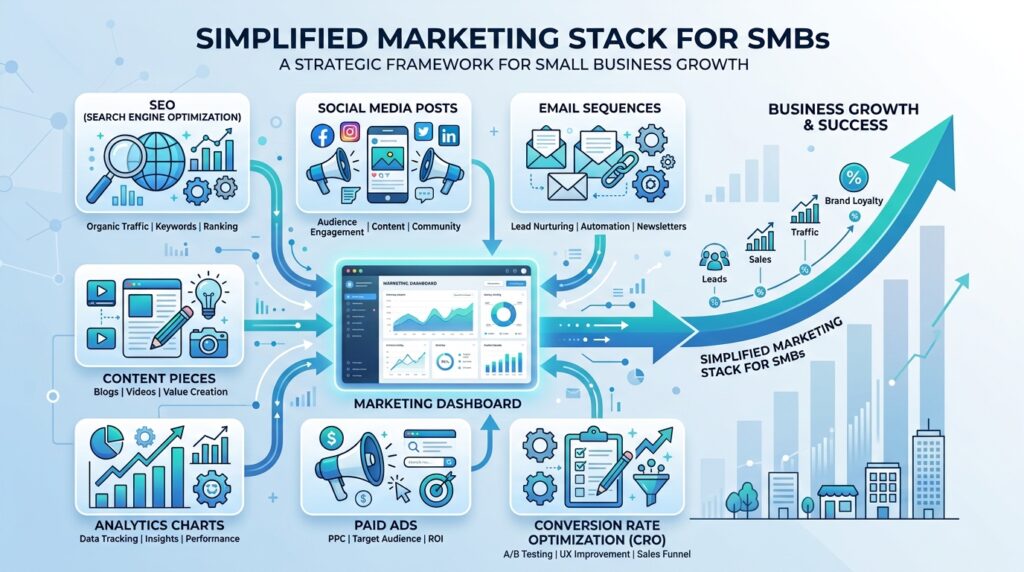
The value proposition centers on consolidation. Instead of hiring separate specialists for search engine optimization, social media management, pay-per-click advertising, content marketing distribution, email marketing campaigns, website analytics, and conversion rate optimization, the offering aims to coordinate these under shared strategy and reporting. For startups and e-commerce managers with limited internal teams, that coordination can reduce handoff delays and conflicting advice.
Think of it like moving from a scattered toolbox where every tool lives in a different drawer to a single workbench with labeled sections. You still need skill to use the tools well, but the setup itself becomes less chaotic.
Core Features and Service Offerings
Public descriptions and agency materials highlight several connected capabilities. Here is a practical breakdown of the main areas.
Search Engine Optimization (SEO)
This forms a central pillar. Services typically include keyword research aligned to business goals, on-page improvements (titles, headings, internal links, content structure), technical checks, and off-page work such as relevant guest posting and link building. The agency emphasizes transparent metrics for guest-post opportunities (domain authority or rating, traffic estimates, niche relevance, pricing, and turnaround). The goal is sustainable organic visibility rather than short-term ranking spikes.
A common real-world scenario: An e-commerce store selling handmade goods struggles to appear for product-related searches. Coordinated keyword mapping, optimized product and blog pages, plus carefully chosen external placements can gradually lift relevant traffic. Results depend on competition, site quality, and consistent execution over months.
Social Media Management
Scheduling, content planning, posting, and basic engagement tracking across major channels appear in the feature set. The aim is consistent brand presence without the daily scramble of logging into multiple apps. For busy founders this can free mental space while keeping the brand visible where customers already spend time.
Pay-Per-Click Advertising
Support for paid campaigns (search and social) includes setup, targeting, budget guidance, and performance monitoring. The practical benefit is having paid efforts informed by the same audience and messaging work used in organic channels, reducing the risk of disconnected ads that feel off-brand.
Content Marketing Distribution and Creation
Blog posts, guest articles, social content, and supporting materials form another core piece. Content is positioned as search-focused and publisher-ready when needed. Good content fuels SEO, social sharing, email, and even ad creative. Without it, other channels often underperform.
Email Marketing Campaigns
Building lists, creating sequences, and basic automation help turn website visitors or social followers into repeat customers. For many SMBs this channel delivers strong returns when paired with useful offers and clean data.
Website Analytics and Conversion Rate Optimization
Dashboards and reporting that pull performance data across channels help answer the only question that ultimately matters: What is actually driving results? Conversion rate optimization work focuses on improving the percentage of visitors who take desired actions (purchase, signup, inquiry). Small lifts here compound over time.
Website Design and Related Support
Some descriptions include responsive site development or redesign focused on usability and conversion. A clean, fast, mobile-friendly site remains the foundation everything else builds on.
These elements are often presented as available individually or as coordinated campaigns. Flexibility matters for different business stages. A solo entrepreneur might start with SEO and content, while a growing team adds paid media and email.
How the Pieces Work Together in Practice
The strongest argument for an all-in-one approach is reduced friction. When keyword research informs both blog topics and ad copy, when social posts drive email signups, and when analytics reveal which channels deserve more budget, marketing starts to feel like a system instead of a series of disconnected experiments.
Consider a startup launching a new SaaS tool. Early work might include:
- Keyword and competitor research to identify realistic search opportunities
- Foundational content that educates the target audience
- On-page optimization of the main site and key landing pages
- Social content that shares the same insights in shorter formats
- Targeted paid campaigns to accelerate early traction
- Simple email sequences for trial users or newsletter subscribers
- Regular reporting that shows which activities move the needle
A coordinated partner can keep messaging consistent and surface insights faster than five separate vendors. That said, coordination only helps when the strategy itself is sound. No platform or agency can overcome a weak offer, unclear positioning, or a site that frustrates users.
Benefits for Small-to-Medium Businesses and Startups
Several practical advantages stand out for the target audience.
Time savings. Managing multiple tools and freelancers creates constant context switching. Centralized planning and reporting reclaim hours each week.
Clearer ROI tracking. When data lives in one place (or at least one reporting rhythm), it becomes easier to see which activities deserve continued investment.
Access to specialized skills without full-time hires. Many SMBs cannot yet afford dedicated SEO, content, and paid media specialists. Agency or platform support fills gaps.
Scalability. Services can expand as the business grows rather than forcing a complete rebuild of the marketing stack every year.
Focus on long-term visibility. Emphasis on relevant content and authority building (rather than pure volume tactics) aligns with how search engines and audiences actually reward brands over time.
These benefits appear most clearly when the business already has a solid product or service and basic digital foundations in place. Marketing amplifies what already works; it rarely creates demand from nothing.
Realistic Limitations and Considerations
No solution is perfect, and transparent evaluation requires looking at the other side.
Transparency around pricing varies. Public materials rarely list fixed public rates for full packages. Quotes typically depend on scope, competition level, and deliverables. Some third-party descriptions mention tiered plans, but these should be verified directly. Always request detailed proposals and clarify what is included versus optional.
Results take time, especially in organic search and authority building. Anyone promising first-page rankings in weeks for competitive terms is selling something other than realistic expectations. Guest posting and link work must stay relevant and high-quality to avoid risks.
You still need internal involvement. Even the best external partner works better when someone on your team understands goals, reviews content, and acts on insights. Completely hands-off arrangements often underdeliver.
Credibility signals matter. Review case studies, ask for references in similar niches, and check how clearly the team explains strategy and reporting. The agency materials stress realistic expectations and transparent metrics for guest-post opportunities, which is a positive signal when followed in practice.
Finally, all-in-one does not always mean best-in-class for every single function. Some businesses prefer specialized tools for advanced social listening, complex email automation, or enterprise analytics and simply use an agency for strategy and execution layers.
How to Evaluate If It Fits Your Brand
Use this practical checklist:
- Clarify your primary goals for the next 6–12 months (more organic traffic, higher conversion rates, consistent social presence, paid customer acquisition, or a combination).
- Audit your current stack. List every tool, freelancer, and agency you currently pay for marketing-related work and note the total monthly cost plus the time spent managing them.
- Assess internal capacity. Do you have someone who can review strategy and content, or do you need a more managed service?
- Request a discovery conversation. Share your site, current metrics, and goals. Ask for a sample plan, example reports, and clear pricing structure.
- Compare alternatives. Look at pure SaaS platforms (for teams that want to execute themselves) versus full-service agencies versus hybrid models. Consider total cost of ownership, not just the headline price.
- Start small if possible. Many businesses begin with a focused SEO and content engagement before expanding into paid or email work.
- Define success metrics up front. Agree on leading indicators (traffic quality, engagement, ranking progress for target terms) and lagging ones (leads, sales, revenue attributed to channels).
A common misconception is that an all-in-one platform or agency removes the need for strategy. In reality it simply makes good strategy easier to execute consistently. Another misconception is that more tools automatically equal better results. Often the opposite is true: fewer, well-used tools outperform a cluttered stack.
Practical Next Steps and Tips
If you decide to explore further:
- Visit the official site and the related agency pages to review current service descriptions and contact options.
- Prepare a short brief outlining your business, target audience, current digital assets, and top three marketing challenges.
- Ask specific questions about reporting cadence, communication style, content ownership, and how they handle strategy adjustments when results lag.
- Review any available examples of past work or metrics (with realistic context attached).
- Calculate your current marketing spend and time investment so you can compare apples to apples.
- Set a 90-day review checkpoint if you move forward so both sides can evaluate progress against agreed indicators.
These steps keep the decision grounded in your actual situation rather than general claims.
Final Thoughts
izonemedia360.com and its associated digital growth services address a real pain point for many SMBs and startups: the complexity and fragmentation of modern digital marketing. By bringing SEO, content, social, paid media, email, analytics, and related support into a more coordinated model, the offering aims to save time, improve consistency, and surface clearer performance insights.
Whether it is the right fit depends on your specific goals, current resources, willingness to stay involved, and the quality of the actual working relationship. The strongest partnerships happen when expectations are realistic, communication is clear, and both sides treat marketing as a system that compounds over time rather than a collection of one-off tactics.
Take the time to map your needs against the capabilities described here. Ask direct questions. Compare options. Then choose the path that lets you focus more energy on running the business itself. What challenges are you currently facing with your marketing stack? The answers will usually point you toward the right next move.
You May Also Like: PLG Supplies: Essential Solutions for Modern Procurement
FAQs
What is izonemedia360.com primarily used for?
It serves as a tech and startup media site while the connected brand and agency focus on digital growth services including SEO, content, guest posting, social management, and related promotion work for businesses seeking stronger online visibility.
How does izonemedia360.com work for small businesses?
Businesses typically start with a review of goals and current site performance, then receive recommendations for coordinated SEO, content, and other channels. Work proceeds through planned campaigns with reporting, rather than isolated one-off tasks.
Is there transparent pricing for izonemedia360.com services?
Public fixed pricing is limited. Most engagements are custom based on scope, competition, and deliverables. Contact the team for a detailed quote after sharing your specific needs.
Can izonemedia360.com replace multiple marketing tools?
It can reduce the need for separate specialists and platforms by coordinating strategy and execution. Some businesses still keep preferred specialized tools for advanced functions and use the services for planning and core delivery.
Who benefits most from these services?
Small-to-medium businesses, startups, e-commerce managers, and digital marketers who want coordinated organic and paid growth without building a large internal team from scratch.
What should I prepare before contacting them?
Have your website URL, current key metrics if available, primary business goals for the next 6–12 months, target audience description, and a rough sense of monthly marketing budget ready. This leads to more useful conversations.
Are results guaranteed?
No credible SEO or digital marketing service guarantees specific rankings or timelines. Performance depends on competition, site quality, content usefulness, consistent implementation, and external factors such as algorithm updates. Focus on transparent process and measurable progress indicators instead.


