
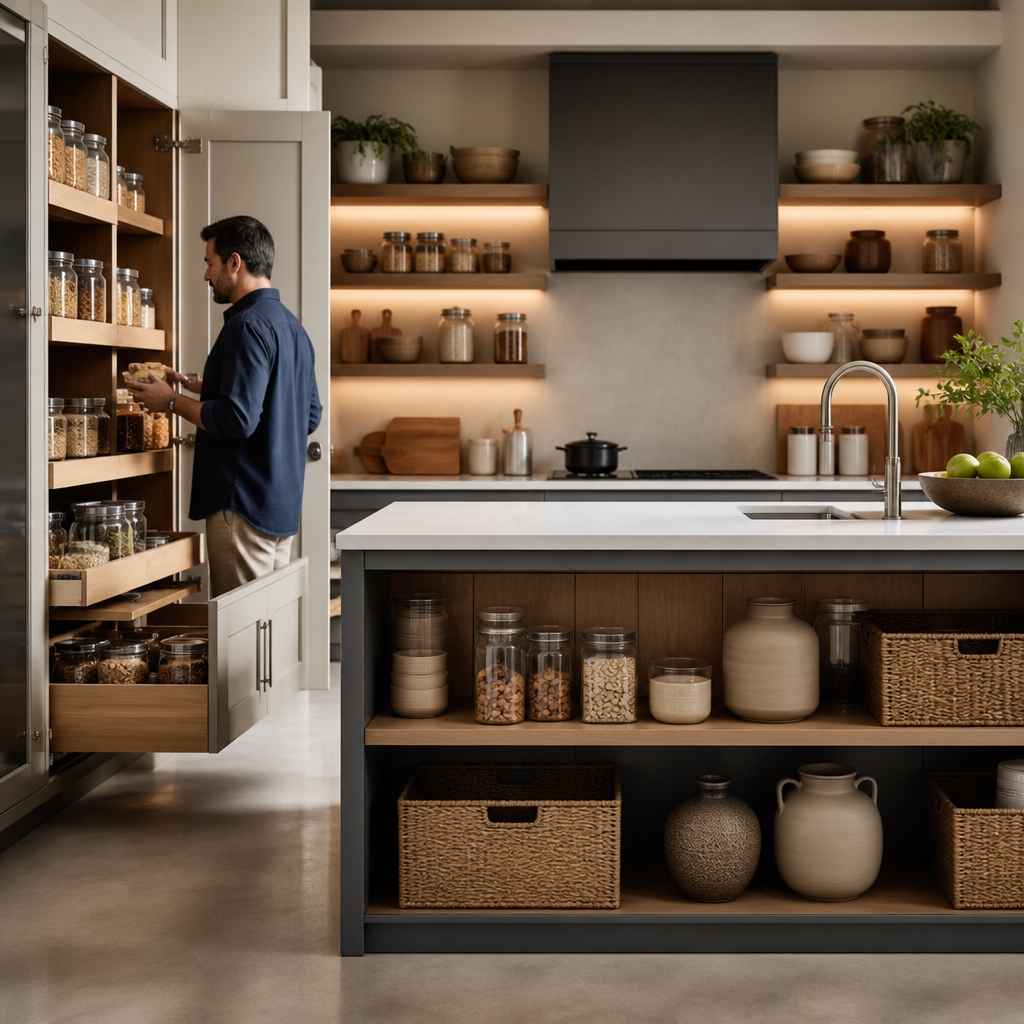

The kitchen stands as the heart of every home, yet it often becomes the most cluttered and chaotic space we navigate daily. Between appliances, utensils, pantry items, and cookware, the accumulation of essential items can quickly transform a functional cooking area into an overwhelming maze of disorganization. The challenge isn’t simply about having too many things, but rather about creating systems that allow every item to serve its purpose while maintaining accessibility and visual harmony.
Modern living demands efficiency, and nowhere is this more apparent than in our kitchens. When we struggle to locate a specific spice or find ourselves rummaging through drawers for the right utensil, we’re not just wasting time—we’re diminishing the joy of cooking and increasing daily stress. The solution lies in implementing thoughtful organizational strategies that respect both the physical constraints of your space and the rhythms of how you actually use your kitchen.
Understanding Kitchen Flow and Functionality
Before diving into organizational solutions, it’s essential to understand how your kitchen functions as a workspace. Professional chefs have long understood the concept of mise en place—everything in its place—because efficiency in the kitchen directly correlates with the logical arrangement of tools and ingredients. Your kitchen likely has natural zones: a cooking zone near the stove, a preparation zone with counter space, a cleaning zone around the sink, and a storage zone for pantry items and dishes.
Recognizing these zones allows you to make strategic decisions about what belongs where. Items you use daily should occupy prime real estate—the spaces between shoulder and knee height that require minimal reaching or bending. Seasonal items, special occasion serving pieces, and rarely used appliances can be relegated to higher cabinets or lower drawers. This hierarchical approach to storage ensures that your most frequent cooking activities flow smoothly without unnecessary movement or searching.
The Counter Conundrum
Kitchen countertops present a particular organizational challenge because they serve dual purposes: they’re both workspace and storage. The temptation to leave everything out for easy access often results in cluttered surfaces that reduce actual working space and create visual chaos. The key is distinguishing between what truly needs countertop residency and what can be stored away.
Appliances that you use daily—perhaps a coffee maker, toaster, or stand mixer—might justify their counter space. However, that bread maker you use twice a year probably doesn’t. Creating clear countertops isn’t about minimalism for its own sake; it’s about maximizing functional workspace and reducing the cognitive load that comes from visual clutter. For comprehensive guidance on this specific challenge, resources like expert advice on kitchen countertop organization can provide detailed strategies tailored to different kitchen layouts and usage patterns.
Vertical Space Utilization
One of the most underutilized resources in kitchen organization is vertical space. Walls offer tremendous potential for storage that doesn’t consume precious counter or cabinet real estate. Magnetic knife strips, pegboards for utensils, hanging pot racks, and wall-mounted spice organizers all capitalize on vertical surfaces while keeping items visible and accessible. This approach works particularly well in smaller kitchens where every square inch of horizontal space matters.
The psychological benefit of vertical organization shouldn’t be underestimated either. When items hang on walls, they’re easier to see at a glance, which reduces the time spent searching through drawers and cabinets. This visibility also helps prevent duplicate purchases because you can immediately assess what you have and what you need.
Cabinet and Drawer Intelligence
The interior of your cabinets and drawers represents the majority of your kitchen’s storage capacity, yet these spaces are often poorly organized. Deep cabinets become black holes where items disappear into the back, never to be seen again until a major cleaning session. Drawers become jumbled catch-alls where spatulas tangle with measuring spoons and random kitchen gadgets.
Investing in organizational tools specifically designed for kitchen storage transforms these spaces dramatically. Pull-out shelves bring the back of deep cabinets into easy reach. Drawer dividers create dedicated spaces for specific categories of items. Lazy Susans in corner cabinets eliminate the awkward reach-and-guess game. Stackable organizers maximize vertical space within cabinets. When homeowners explore professional solutions from companies specializing in home storage systems like Organized Living, they often discover innovative products designed to address the specific challenges their kitchen layout presents, from custom pantry systems to specialized drawer inserts that keep everything from utensils to spices perfectly organized.
The Pantry Puzzle
Whether you have a walk-in pantry or a single cabinet designated for dry goods, organizing food storage requires a different approach than organizing cookware. Food items have expiration dates, varying package sizes, and different storage requirements. Clear containers not only keep ingredients fresh but also allow you to see quantities at a glance, preventing both waste and last-minute grocery store runs.
Grouping items by category—baking supplies, breakfast items, snacks, canned goods—creates intuitive zones within your pantry. Labels eliminate guesswork and help other household members maintain the system. The first-in-first-out principle used in commercial kitchens applies equally well at home: newer items go to the back, older items come forward, ensuring nothing expires before you use it.
Practical Organization Strategies
Theory becomes practical when you implement specific strategies that match your cooking style and kitchen use patterns. One effective approach involves the concept of work stations—creating dedicated zones for specific activities. A baking station might group flour, sugar, measuring cups, mixing bowls, and baking pans in one area. A coffee station consolidates mugs, coffee, filters, and sweeteners near your coffee maker. This clustering reduces movement and makes tasks more efficient.
Another powerful strategy involves regular editing of your kitchen inventory. Quarterly reviews of what you actually use versus what simply occupies space can be revelatory. That duplicate set of mixing bowls, the gadget that promised to revolutionize meal prep but never left its box, the collection of plastic containers without matching lids—these items drain organizational energy without providing value. Professional organizers consistently emphasize that successful organization requires both good systems and regular maintenance to prevent the slow creep of clutter.
Building Sustainable Organizational Systems
The ultimate test of any organizational system is whether you can maintain it over time. Systems that require excessive effort or don’t align with natural behavior patterns inevitably fail. The best kitchen organization reflects how you actually cook and use your space, not some idealized vision from a magazine spread. If you always prep vegetables at the sink, that’s where cutting boards and knives should live. If you bake frequently, your mixer shouldn’t be buried in a cabinet.
Successful organization also requires buy-in from everyone who uses the kitchen. When systems make sense and items are easy to return to their designated spots, maintenance becomes almost automatic. Clear labeling, logical groupings, and accessible storage all contribute to a system that sustains itself with minimal ongoing effort.
The Broader Impact of Kitchen Organization
An organized kitchen delivers benefits that extend far beyond the physical space. Meal planning becomes easier when you can see what ingredients you have available. Food waste decreases when nothing gets lost in the back of the refrigerator or expires in a forgotten corner of the pantry. Cooking becomes more enjoyable when you’re not fighting through clutter to find what you need. Even the simple act of making morning coffee feels more pleasant in a space that’s orderly and functional.
The kitchen often sets the tone for the entire home. When this central space functions smoothly, it creates a ripple effect of calm and efficiency. Family members can find what they need independently, reducing the “where is” questions that interrupt flow. Meal preparation becomes less stressful, potentially encouraging more home cooking and family time around the table.
Transforming your kitchen through strategic organization isn’t about achieving perfection or maintaining showroom aesthetics. It’s about creating a space that serves your life, supports your routines, and brings a sense of calm to one of your home’s most important rooms. With thoughtful planning, appropriate storage solutions, and systems that match your lifestyle, even the most challenging kitchen can become a model of efficiency and functionality.
READ ALSO: Looking for the Best Chuflay Cocktail Near Me? Here’s Where to Start