
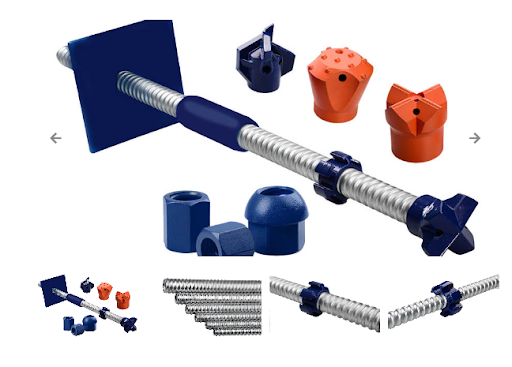

Selecting a hollow injection bar is an important decision for construction companies working on ground reinforcement and foundation projects. The right system must meet structural requirements, suit the site’s ground conditions, and remain compatible with the drilling and grouting equipment used during installation.
Although different products may appear similar, their dimensions, steel properties, thread designs, and connection systems can vary considerably. Understanding these differences helps buyers avoid compatibility problems and select a suitable solution for the intended application.
Understand the Project Requirements First
Before comparing products, establish what the reinforcement system needs to accomplish. A bar specified for soil nailing may have different requirements from one intended for rock bolting or micropile construction.
Start by reviewing the engineering drawings, ground investigation report, required installation depth, and anticipated loads. These documents help determine which bar sizes and system configurations are appropriate.
Groundwater, corrosive soil, limited equipment access, and nearby structures may also affect the final selection. A qualified engineer should approve the system against the project’s design requirements.
Check the Bar Dimensions
Dimensions are among the first specifications buyers should review.
The outside diameter affects the overall size of the bar, while the internal diameter determines the dimensions of its central passage. Wall thickness, connection geometry, and material properties also influence the component’s performance.
Buyers should not select a bar based on outside diameter alone. The supplier’s technical data should identify the relevant dimensions and specified mechanical properties.
It is also important to check whether the chosen bar can accommodate the intended grout flow and compatible drilling accessories.
Evaluate Steel Quality and Load Capacity
Steel grade influences the mechanical properties of a hollow injection bar. Depending on the product specification, buyers may need to review yield strength, tensile strength, elongation, and other relevant properties.
However, the load capacity of an installed reinforcement system is not determined by steel strength alone. Threaded connections, couplers, grout performance, ground conditions, and installation quality can all influence the final result.
Request technical documentation for the complete system, including applicable load ratings and test information. Avoid comparing products using a single strength figure without understanding how that figure was established.
Consider Threading and Accessories
Many hollow injection bars use external threading to support connections and accessory installation. Thread profiles and dimensions can differ between systems, so compatibility should never be assumed.
Check that the selected bar works with the intended couplers, nuts, bearing plates, drill bits, and injection equipment.
Using mismatched components can create installation difficulties and may compromise the system’s specified performance. Purchasing compatible components from an established system supplier can make procurement and installation planning easier.
Choose the Right Corrosion Protection
Hollow injection bars may operate in soil or groundwater environments that expose steel to corrosion. The required protection depends on the site’s chemical conditions, expected service life, structural importance, and relevant engineering standards.
Available approaches may include protective coatings, galvanized components, corrosion-resistant materials, or additional protection specified for the complete anchoring system.
No single option is appropriate for every project. Buyers should confirm that the proposed protection method is compatible with the grout, connections, and installation procedure.
Review Installation Conditions
The installation method is another important selection factor. Some hollow injection bar systems are designed for self-drilling applications, while other hollow bars may be intended for different installation arrangements.
Contractors should verify the required drilling rig, torque and thrust capabilities, drill-bit selection, grout delivery equipment, and available working space.
For sites with loose soil or fractured rock, the engineer may need to assess whether a self-drilling system is appropriate. Ground conditions can influence drilling progress, grout consumption, and the achievable reinforcement quality.
Planning these details before procurement can help reduce delays and equipment compatibility issues.
Compare Suppliers Carefully
Price is important, but it should be evaluated alongside technical suitability and service quality.
When comparing suppliers, request:
- Product specifications and material certificates.
- Applicable load and connection data.
- Compatible drill bits, couplers, and accessories.
- Details of corrosion protection options.
- Installation guidance and quality documentation.
- Expected lead times and product availability.
Compare quotations using equivalent specifications. A cheaper bar may not provide the same material properties, accessories, documentation, or performance requirements as another product.
Common Purchasing Mistakes to Avoid
One frequent mistake is selecting a hollow injection bar solely because its dimensions appear suitable. Buyers should also confirm its mechanical properties, thread compatibility, and intended application.
Another mistake is overlooking corrosion protection or assuming that every bar can be used with any drilling rig. Both issues can lead to unnecessary costs and installation complications.
Finally, avoid relying on general product descriptions when a project requires specific engineering performance. Technical documentation and professional assessment provide a more dependable basis for selection.
Conclusion
Choosing the right hollow injection bar requires careful consideration of dimensions, steel properties, load requirements, threading, corrosion protection, and installation conditions.
By checking these factors before placing an order, contractors can reduce compatibility risks and select a system suited to their construction needs. Working with a knowledgeable supplier and the responsible engineer also helps ensure that the selected components meet the project’s technical specifications.