
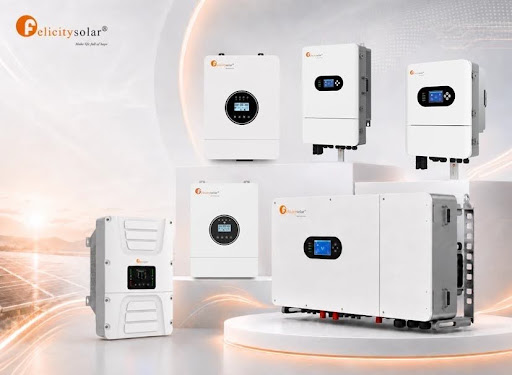

A low voltage lithium ion battery provides a practical way to store electricity for home inverters, solar power systems, and backup applications. It allows users to save energy for later use, helping power essential appliances when solar generation decreases or the main electricity supply becomes unavailable.
As households look for more reliable and efficient energy solutions, low voltage lithium batteries are becoming increasingly popular. Their compact designs, charging efficiency, and potential for a long service life make them suitable for many residential and small commercial applications.
Understanding battery capacity, voltage compatibility, and safety requirements can help buyers select a suitable system for their needs.
What Is a Low Voltage Lithium Ion Battery?
A low voltage lithium ion battery is a rechargeable energy storage device designed to operate at a relatively low nominal voltage. Common configurations used in residential applications include 12V, 24V, and 48V, although specifications vary between manufacturers and products.
These batteries store electrical energy through chemical reactions within their cells. When connected to compatible equipment, they release the stored energy to operate appliances and electronic devices.
Many residential lithium batteries use lithium iron phosphate (LiFePO4) chemistry. This battery chemistry is widely used in stationary energy storage because of its thermal stability and potential for a long cycle life.
The term “low voltage” describes the electrical characteristics of the battery system rather than its storage capacity. A low voltage battery can still store several kilowatt-hours of energy, depending on its size and design.
How Does the Battery Store and Deliver Energy?
A low voltage lithium ion battery receives electricity from a compatible charging source, stores it, and supplies it when needed.
During charging, electricity may come from solar panels through a suitable charge controller, a compatible hybrid inverter, or another approved charging device. The battery stores this energy until appliances require power.
During discharge, the battery supplies direct current (DC). If the connected appliances use alternating current (AC), an inverter converts the battery’s output into the required electrical form.
A battery management system (BMS) monitors important operating conditions, including cell voltage, temperature, and current. Depending on the product, it can help protect against overcharging, excessive discharge, and other unsafe operating conditions.
For solar installations, the inverter and battery work together to manage charging, household consumption, and available backup power.
Key Benefits of Low Voltage Lithium Batteries
Efficient Energy Storage
Lithium batteries generally offer good charging and discharging efficiency. This allows users to store electricity and recover a substantial portion of that energy when it is needed.
In solar installations, stored electricity can be used during evening hours, reducing the need to purchase electricity from the grid. Actual savings depend on electricity prices, solar production, system efficiency, and household consumption.
Compact Installation
A low voltage lithium ion battery can provide useful storage capacity without requiring the space associated with some traditional battery banks. Wall-mounted and modular products are available for homes, offices, and small businesses.
However, the installation location must meet the manufacturer’s requirements for temperature, moisture protection, clearance, and ventilation where applicable.
Long Potential Service Life
Many lithium batteries are designed for repeated charging and discharging. Their actual lifespan depends on battery chemistry, operating temperature, depth of discharge, charging settings, and product quality.
Before purchasing, compare the manufacturer’s cycle-life rating, warranty conditions, and recommended operating limits.
Reduced Routine Maintenance
Compared with flooded lead-acid batteries, many lithium battery systems require less routine maintenance because they do not need regular electrolyte refilling.
They still require appropriate monitoring, periodic inspection, and correct operation. Following the manufacturer’s recommendations helps maintain safe performance.
Support During Power Outages
A suitably configured low voltage lithium ion battery can provide backup electricity for essential household appliances. Depending on the system, these may include lights, fans, internet routers, computers, and refrigerators.
The battery must have sufficient usable capacity, and the inverter must support the connected appliances’ combined power demand.
Common Applications
Home Solar Systems
Homeowners can use a low voltage lithium ion battery to store excess electricity produced by solar panels during daylight hours. The stored energy can then supply household loads when solar generation decreases.
This arrangement can improve the use of self-generated electricity, especially when energy demand is higher in the evening.
Inverter Backup
Low voltage lithium batteries can be used with compatible inverters to maintain power during outages. Before replacing an existing lead-acid battery, confirm that the inverter supports the lithium battery’s voltage, charging profile, current limits, and communication requirements.
Not all inverters are designed to work with every lithium battery.
Off-Grid Properties
Off-grid homes and cabins can use lithium batteries to store electricity generated by solar panels or other approved sources. These installations need careful planning because cloudy weather may reduce charging opportunities for several days.
The battery capacity, solar array size, and expected electricity consumption should be considered together.
Small Business Equipment
Shops and offices may use low voltage battery systems to power networking devices, security equipment, computers, and selected lighting. A correctly sized system can help essential equipment remain operational during short power interruptions.
Businesses should calculate both their required energy storage and peak power demand before choosing a battery.
How to Select the Right Battery
Choosing the right battery starts with identifying your electricity requirements.
Calculate Energy Consumption
List the appliances you want to run and estimate their energy consumption. Multiply each appliance’s power rating in watts by the number of hours it will operate.
For example, a 100-watt appliance running for four hours consumes approximately 400 watt-hours, or 0.4 kilowatt-hours.
Add the energy requirements of all planned loads. Allow for inverter losses and a suitable reserve when estimating the battery capacity required.
Check the Voltage Rating
Confirm that the battery voltage matches the inverter or equipment specifications. A battery intended for a 48V system should not be connected to equipment requiring a different voltage unless the manufacturer explicitly supports the configuration.
Compare Capacity and Output Power
Battery capacity is commonly expressed in kilowatt-hours (kWh) or amp-hours (Ah). It indicates how much energy the battery can store.
Output power is a separate consideration. Check the battery’s continuous discharge rating and peak output capability to ensure that it can support the appliances you intend to operate.
Devices with motors or compressors may require additional startup power.
Review Compatibility and Warranty
Confirm that the battery and inverter are compatible, including their charging settings and communication requirements.
Also review the warranty period, cycle-life rating, product certifications where applicable, and availability of local technical support.
Safety and Installation Requirements
Although low voltage systems operate at lower nominal voltages than high voltage storage systems, lithium batteries can deliver substantial current. Incorrect wiring or inadequate protection can cause overheating, electrical arcing, and fire.
Use appropriately rated cables, connectors, fuses or circuit breakers, and isolation devices according to the system design. Have permanent installations completed by a qualified professional who follows local electrical requirements.
Keep the battery within its specified temperature range and protect it from water, flooding, direct heat, and unauthorized access. Use a compatible charger and never bypass the battery management system.
Inspect the system according to the manufacturer’s recommendations. If the battery becomes damaged, unusually hot, swollen, or emits an unusual odor, stop using it if safe to do so and seek professional assistance.
Frequently Asked Questions
Can a low voltage lithium ion battery work with solar panels?
Yes. It can store solar-generated electricity when connected through a compatible charge controller or inverter. The charging equipment must support the battery’s voltage and chemistry.
How much energy can a low voltage lithium ion battery store?
Storage capacity depends on the model. Check the rated and usable capacity in the manufacturer’s specifications rather than judging capacity by voltage alone.
Is a low voltage lithium ion battery suitable for home inverters?
Yes, provided the battery matches the inverter’s voltage, charging requirements, current limits, and communication specifications.
Is lithium better than lead-acid for backup power?
Lithium batteries often offer higher usable capacity, good charging efficiency, and a longer potential cycle life. Lead-acid batteries may have a lower initial purchase price, so the best choice depends on the budget, usage pattern, and total ownership costs.
Conclusion
A low voltage lithium ion battery can provide effective energy storage for solar power systems, home inverters, off-grid properties, and small business backup applications. Its performance depends on selecting the right capacity, voltage, output rating, and compatible charging equipment.
Before investing, calculate your energy requirements, compare product specifications, and confirm that the installation meets safety requirements. A properly selected and installed battery can help improve energy management and make stored electricity available when it is needed.