
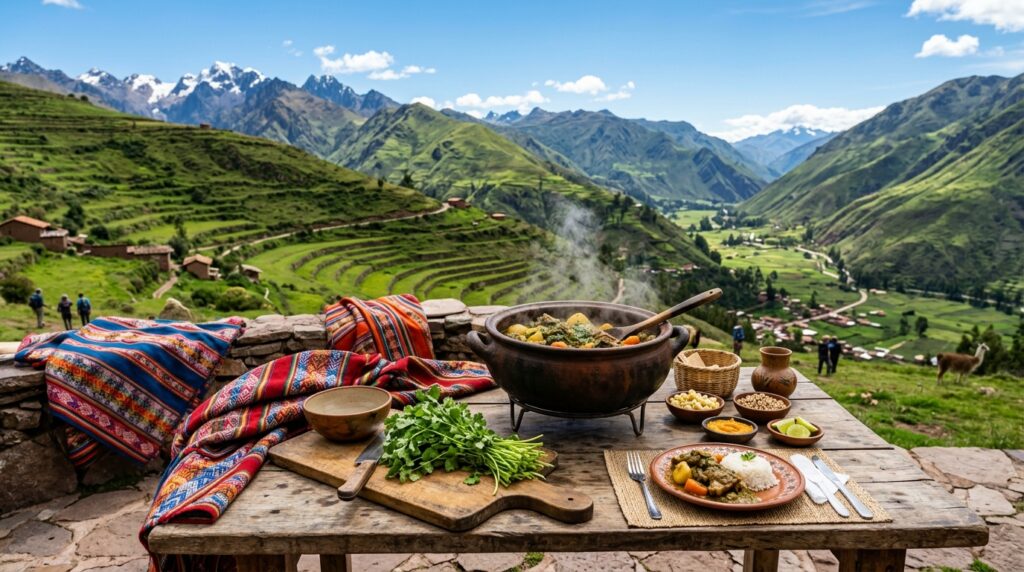

Have you ever craved a dish so comforting and aromatic that one bite transports you straight to the bustling markets of Lima or the highlands of Ecuador? Picture tender lamb slowly simmered until it practically melts, enveloped in a vibrant green sauce bursting with fresh cilantro, garlic, and subtle spices. If you’re searching for the best seco de cordero near me, you’re in for a treat. This traditional South American stew isn’t just food; it’s a warm hug from Andean culinary heritage that food enthusiasts and home cooks alike can’t get enough of.
Whether you’re a culinary traveler chasing authentic flavors or simply looking for a satisfying dinner spot open now, this guide will help you find top spots while diving deep into what makes seco de cordero so special.
What Is Seco de Cordero? Understanding This Savory Comfort Food
Seco de cordero, often called Peruvian lamb stew, is a classic “seco” style dish popular in Peru and Ecuador. The name “seco” refers to a drier stew, as opposed to soupier versions, where the meat and sauce reduce down beautifully during slow cooking.
At its heart, this dish features lamb (cordero means lamb) braised in a fragrant blend of cilantro, garlic, onions, aji peppers, cumin, and often beer or chicha de jora, a traditional fermented corn drink. The result? Fork-tender meat in a sauce that’s earthy, herbaceous, and deeply savory with bright, fresh notes.
Think of it as the South American cousin to a rich French daube or Moroccan tagine, but with distinctly Andean soul. The generous use of cilantro gives it that signature bright green hue and fresh aroma that wakes up your taste buds.
In Ecuador, you’ll often see it as seco de borrego or seco de cordero, sometimes with achiote for a subtle earthiness. Peruvian versions lean heavily on aji amarillo for a gentle heat and that unmistakable flavor punch.
The Cultural Heritage and Flavors Behind Peruvian and Ecuadorian Lamb Stew
This stew carries layers of history. Its roots trace back to colonial times, blending Spanish, Indigenous, and even North African influences through the tajine-like slow-cooking methods brought via historical migrations. Over time, it became a staple of criolla cuisine along Peru’s coast and in Ecuadorian family tables.
Families gather for seco de cordero during celebrations, Sunday lunches, or simply to warm up after a chilly Andean day. It’s everyday luxury: humble ingredients transformed through patience and technique into something extraordinary.
The flavor profile shines with:
- Cilantro garlic sauce: The backbone that delivers freshness and depth.
- Slow-cooked lamb shanks or chunks: They absorb all the spices and become incredibly tender.
- Subtle sweetness and acidity: From beer, chicha de jora, or a touch of vinegar.
- Andean touches: Potatoes, peas, rice on the side, and perhaps a zesty salsa criolla with red onions and tomatoes.
This combination creates authentic Andean flavors that balance richness with brightness. It’s savory comfort food at its finest.
Why Search for the Best Seco de Cordero Near Me?
In a world of fast food, hunting for genuine traditional South American stews feels rewarding. The best seco de cordero near me search often leads to hidden gems where chefs honor family recipes passed down through generations.
Local Peruvian and Ecuadorian restaurants pour love into these pots, using quality lamb and fresh herbs. Finding one open now can turn an ordinary evening into a memorable feast. Plus, many spots offer variations that let you explore regional differences.
For home cooks, tasting the real deal inspires your own kitchen experiments and helps you understand the balance of spices and textures.
Top Tips for Finding Authentic Peruvian Lamb Stew Restaurants Nearby
Start with apps like Yelp, Google Maps, or specialized food delivery platforms, typing in your primary keyword. Look for places with high ratings mentioning “seco de cordero” specifically.
Here are practical ways to zero in on winners:
- Check reviews for authenticity: Comments about “just like abuela makes” or “vibrant cilantro sauce” are good signs.
- Look for family-owned spots: These often stay truest to tradition.
- Consider location: Cities with vibrant Latin American communities (think Miami, New York, Los Angeles, Chicago, or even smaller hubs) have more options.
- Call ahead: Ask if they use chicha de jora or fresh aji for extra points.
Popular mentions from diners include spots like Costa Verde in Virginia for standout seco, Lima Taverna in Plano, TX, or various Peruvian kitchens in San Francisco and New York. Always verify current hours for “best seco de cordero near me open now.”
What to Expect When You Order Seco de Cordero
When your plate arrives, expect generous portions of lamb in that emerald sauce, usually served with fluffy rice to soak it all up, maybe some boiled potatoes or beans, and a side of salsa criolla for contrast.
The aroma hits first: herbal, garlicky, inviting. The lamb should be succulent, not gamey, with the sauce coating everything perfectly without being watery. Many places offer it with a cold beer or traditional drink to complement the richness.
Portions are hearty, perfect for sharing or taking home leftovers that taste even better the next day as flavors meld.
Regional Variations: Peruvian vs. Ecuadorian Styles
While closely related, nuances exist. Peruvian seco de cordero often emphasizes aji amarillo and a thicker cilantro puree. Ecuadorian versions might incorporate more wine or achiote and feel slightly different in spice balance.
Some restaurants blend styles or offer seafood or beef seco as alternatives. Home cooks experiment with slow cookers for easier weeknight versions that still capture the essence.
How to Make Traditional Seco de Cordero at Home
Craving it but no great spot nearby? Try this approachable recipe for 4-6 servings.
Ingredients:
- 2-3 lbs lamb shoulder or shanks, cut into chunks
- Large bunch fresh cilantro (about 2-3 cups leaves)
- 1-2 tbsp aji amarillo paste (or substitute with mild chili + turmeric)
- 4-5 garlic cloves
- 1 large onion, chopped
- 1-2 tsp ground cumin
- 1 bottle dark beer or substitute with broth + splash of vinegar
- 2-3 potatoes, peeled and cubed
- 1 cup frozen peas
- Olive oil, salt, pepper
- Optional: carrots, oregano, bay leaves
Steps:
- Season lamb with salt, pepper, garlic, and cumin. Let it marinate briefly.
- Brown the lamb in oil in a heavy pot. Remove and set aside.
- In the same pot, cook onions until soft. Add more garlic and aji.
- Blend cilantro with some beer or broth into a smooth puree.
- Return lamb to pot, pour in cilantro mixture and remaining beer. Simmer covered for 1.5-2 hours until tender.
- Add potatoes and peas in the last 30 minutes. Adjust seasoning.
- Serve over rice with salsa criolla.
Slow cooker adaptation works wonderfully: brown first, then cook on low for 6-8 hours. The key is patience and fresh cilantro.
Experiment with your own touches, like adding more heat or using different cuts of lamb.
Pairings and Complete Meal Ideas
To round out the experience, pair seco de cordero with:
- Rice: Essential for soaking up sauce.
- Salsa criolla: Thinly sliced red onions, tomatoes, lime, cilantro.
- Chicha de jora or beer: Cuts through richness.
- Side salad or yuca: For balance.
For a full Peruvian spread, start with ceviche or causa, then the stew, and finish with picarones or alfajores.
Common Questions When Hunting for the Best Seco de Cordero Near Me
Diners often wonder about spice level (usually mild to medium), lamb quality, or substitutions for dietary needs. Many places accommodate with advance notice.
Comparing Top-Rated Savory Lamb Stews Nearby
While specifics depend on your location, authentic spots consistently highlight tender meat and balanced sauce. Look for consistent praise in reviews for flavor authenticity over trendy twists.
Benefits of Enjoying Traditional South American Stews
Beyond taste, these dishes connect us to cultural heritage. Cooking or eating them supports local immigrant-owned businesses and introduces new flavors to your table. The slow-cooked nature encourages mindful meals and leftovers that save time later.
3 Tips to Try Today for Authentic Flavor
- Search smart: Use “authentic Peruvian lamb stew restaurants” plus your city for targeted results.
- Ask for recommendations: Local food groups or apps can point to current favorites.
- Recreate at home: Start simple with the recipe above and adjust to your taste. Fresh herbs make all the difference.
Ready to dive in? Head out this weekend or fire up your stove. What’s your favorite way to enjoy lamb dishes? Share in the comments or tag a friend who loves exploring new cuisines.
FAQs
What does seco de cordero taste like?
It offers tender lamb in a bright, herbaceous cilantro-garlic sauce with subtle spice and savory depth from beer or chicha. Comforting yet fresh.
Is seco de cordero spicy?
Usually mild to medium. Aji adds flavor more than intense heat, but ask at restaurants for customization.
Can I find Ecuadorian seco de cordero easily?
Yes, many Peruvian spots serve similar versions, and dedicated Ecuadorian eateries offer their take with possible achiote influences.
What are good sides for Peruvian lamb stew?
Rice, potatoes, salsa criolla, and sometimes beans or salad.
How long does it take to cook traditional seco de cordero?
About 2-3 hours on the stove for best tenderness, or longer in a slow cooker.
Are there vegetarian versions?
Some places offer mushroom or vegetable seco, though lamb is traditional.
Where can I buy ingredients for homemade seco de cordero?
Latin markets for aji paste, chicha (or beer substitute), and fresh cilantro. Online sources work too.