
Ever spend hours brushing only to wake up with your waves looking flat or frizzy because your headwear slipped or left deep marks? Plenty of guys in the 360 wave community have been there. The right compression gear changes everything. That is where cjmonsoon enters the picture. What started as a focused push for better wave caps has grown into a name associated with reliable compression headwear, durags, and custom streetwear pieces that help wavers keep their patterns locked in.
This guide walks through the brand’s path, breaks down how its products actually work for laying hair flat, and shares practical routines that both beginners and experienced wavers can use right away.
What CJMonsoon Brought to the Wave Game
Around the mid-2010s the wave community was already deep into brush sessions, wolfing periods, and the constant hunt for headwear that actually held without killing comfort. Generic stocking caps and basic silk durags left a lot of room for improvement. They either slipped at night, created harsh forehead lines, or failed to deliver even pressure across the crown and sides.
CJMonsoon stepped into that gap with the Monsoon Caps line. These were compression-focused pieces built with wider bands and materials that stretched while still applying consistent pressure. Early reviews and YouTube demos from established wavers highlighted the difference: less digging into the skin, better hold through the night, and a design that worked well alone or layered over a durag. The name itself, combining initials with the idea of a strong, renewing force, fit the culture of transforming texture into clean, spinning patterns.
The brand kept its focus on the practical needs of people training 360, 540, and even 720 patterns. Over time the lineup expanded beyond basic wave caps into silky durags, sport-style compression options, wash-and-style friendly pieces, and custom apparel that let wavers put their own designs on headwear and clothing. That mix of function and personal expression helped it stick around in a community that values both results and style.
Compression Caps Versus Durags: Knowing What to Reach For
A lot of newcomers mix these up, so let’s clear it up with real-world use.
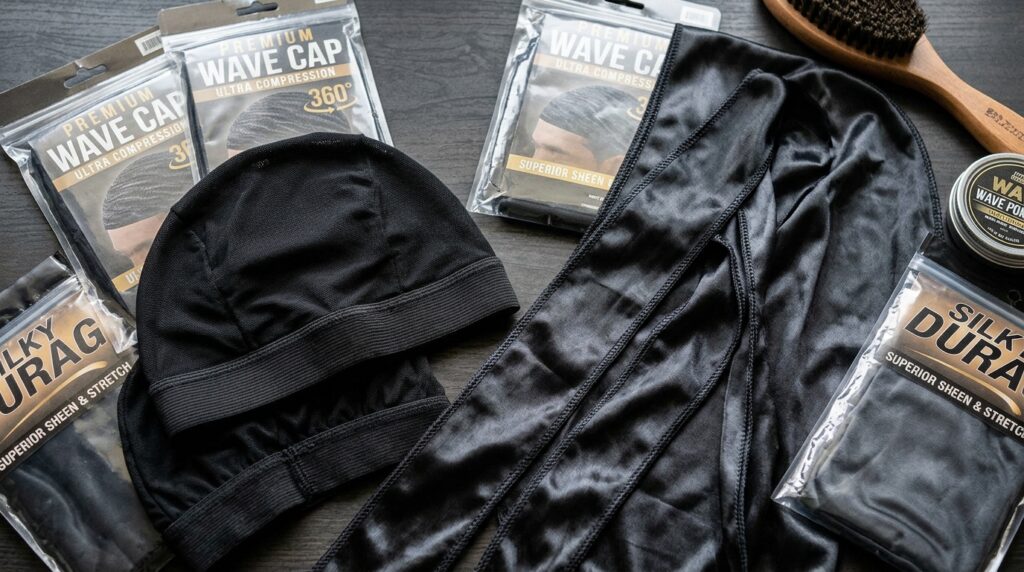
Compression caps (the classic Monsoon-style pieces) sit closer to the head like a fitted skullcap. They apply steady pressure across the entire surface. That even hold helps train the hair to stay laid after a solid brush session. They shine during the day under a hat, during workouts, or overnight when you want maximum contact without a lot of bulk. Many wavers appreciate the wider elastic band that spreads pressure instead of cutting into the forehead.
Durags, especially the silky or velvet versions, bring longer tails and straps you can tie. They excel at securing longer hair or providing that extra lock-down when you need it. Silk reduces friction and helps preserve moisture. Velvet gives a different grip and look. You can wear a durag by itself or under a compression cap for double duty during heavy wolfing stretches.
The practical rule many experienced wavers follow is simple. Reach for the compression cap when you want clean, consistent pressure and easy daily wear. Reach for the durag when you need adjustable security, longer tails for tying, or a specific material feel. Layering both is common during intense training periods. CJMonsoon’s options cover both approaches, so you can match the tool to the stage of your routine.
How the Products Fit Real Wave Routines
Wave progress depends on consistency more than any single product. Still, the right headwear multiplies the work you put in with the brush.
After a thorough brush session, you want the hair laid flat while it sets. A good compression piece holds that shape. During wolfing, when hair grows longer and patterns need protection, the hold becomes even more important. Wash days introduce another variable. Some wavers prefer a wash-and-style approach where they cleanse, condition, apply products, brush, and immediately compress. Headwear that handles moisture without losing shape helps here.
Materials matter. Silky options reduce friction and work well for preserving shine and moisture. Stretchier compression fabrics give the pressure needed for coarser textures without constant readjustment. Crown coverage stays critical. Gaps at the top can leave the swirl underdeveloped. Quality pieces from brands in this space pay attention to that full-head contact.
Custom options add another layer. Some wavers print personal designs, logos, or photos onto their caps and durags. That turns functional gear into something that feels like part of their style rather than just a tool.
Building a Practical Daily and Weekly Routine
Start with clean, moisturized hair. Use a quality wave brush and work in sections with consistent strokes toward the pattern you want. Once the hair is laid, apply a light pomade or oil if that fits your texture, then put on the compression headwear.
For overnight, many prefer a secure but comfortable fit that stays put without shifting. Check the band placement so it does not leave deep marks. In the morning, remove carefully, fluff or brush lightly if needed, and reassess. During the day, a lighter compression piece or tied durag under a hat keeps progress intact.
Wolfing periods call for extra attention. Longer hair can push against weaker materials. Stronger compression or layered pieces help maintain the pattern while the length develops. Rotate a few caps so one can dry or rest while another works.
Wash days reset the system. Cleanse without stripping too much natural oil, condition, detangle gently, apply leave-in products, brush thoroughly, and compress while the hair is still damp or slightly damp depending on your method. Consistent pressure during that setting phase locks in the work.
Track what works for your specific texture and lifestyle. Coarse hair often needs more pressure. Finer hair may prefer lighter hold to avoid flattening too much. Adjust based on results rather than rigid rules.
From Caps to Custom Streetwear Culture
What began with functional wave caps expanded into custom apparel. Wavers already live in the intersection of grooming and street style. Being able to put personal designs on headwear and clothing fits naturally. The brand’s approach lets people express identity while still solving the core problem of compression and protection.
This evolution mirrors the broader wave community. Social media progress posts, brush session videos, and shared tips turned a personal grooming practice into a visible culture. Brands that listen to that community and deliver durable, comfortable tools tend to stay relevant. CJMonsoon’s emphasis on the Monsoon Caps foundation, combined with wider product options, kept it in conversations among both new wavers learning the basics and veterans refining their systems.
Common Mistakes and How to Avoid Them
One frequent issue is using headwear that is too tight or too loose. Too tight creates headaches and marks. Too loose lets the hair rise and lose the lay. Aim for firm but comfortable pressure that stays in place through the night.
Another is neglecting the crown. Brush sessions that skip or rush the top leave the pattern incomplete. Pair solid brushing with full-coverage compression.
Material choice also trips people up. A pure silk piece may look smooth but lack the compression some textures need. A pure stretch compression piece may apply good pressure yet create more friction. Testing combinations solves this.
Skipping moisture balance hurts progress. Dry hair resists laying. Overly wet or product-heavy hair can slip or create residue. Find the middle ground that works with your products and climate.
Finally, inconsistent wear undercuts the effort. Sporadic compression after perfect brush sessions wastes the work. Make the headwear part of the non-negotiable routine.
Tips You Can Apply Today
- After your next brush session, put on a quality compression cap or layered setup and leave it for several hours or overnight. Note how the pattern holds the next day.
- Check your current headwear for band width and material. Wider bands often reduce forehead lines.
- Rotate two or three pieces so none wears out from constant use.
- On wash day, compress while the hair is still manageable and product is fresh.
- Experiment with one custom or different-style piece to see how it affects both hold and how you feel wearing it.
- Keep a simple log of brush time, products, and headwear used so you can spot what actually moves the needle for your hair.
These steps cost little extra effort yet compound over weeks.
Looking Ahead in Wave Care
The 360 wave community keeps evolving with better tools, shared knowledge, and personal expression. Brands that started by solving real compression problems and then expanded into custom options sit in a useful spot. They serve the practical need while letting people claim the style as their own.
Whether you are just starting to train your first patterns or managing a long wolf, the fundamentals stay the same: consistent brushing, smart moisture, and reliable headwear that keeps the hair laid flat. Understanding the history and product differences helps you choose tools that support the work instead of fighting it.
What has your experience been with different compression styles or specific brands in the wave space? Share the routines or gear that made the biggest difference for you.
FAQs
What is CJMonsoon best known for in the wave community?
CJMonsoon is primarily known for its Monsoon Caps and compression headwear designed specifically for 360 waves. The brand built its reputation on wave caps with wider bands and materials that deliver even pressure without excessive forehead marks, later expanding into silky and velvet durags plus custom apparel options.
How do I use a CJMonsoon compression cap for 360 waves?
After a thorough brush session, apply any needed moisturizer or light product, then place the compression cap so it covers the crown fully and sits snug but comfortable. Wear it for several hours or overnight to lock the pattern in place. Many wavers layer it over a durag during heavier wolfing periods for extra hold.
What is the difference between a CJMonsoon wave cap and a standard durag?
A CJMonsoon-style compression wave cap functions more like a fitted skullcap that applies consistent pressure across the whole head and is ideal for training and daily wear. A standard durag usually has longer tails and tie straps for adjustable security and works especially well for longer hair or overnight lock-down. Many experienced wavers use both together depending on the stage of their routine.
Are CJMonsoon compression caps good for wolfing?
Yes. The steady pressure from quality compression pieces helps protect and maintain the wave pattern while hair grows longer during wolfing. Wider-band designs reduce discomfort over extended wear, which is useful when hair length increases and patterns need more consistent hold.
Where can I buy authentic CJMonsoon Monsoon Caps and products?
The primary source has historically been the official cjmonsoon.com site for direct purchases of wave caps, durags, and custom options. Checking the official site helps avoid generic knockoffs that lack the same construction and compression quality.
Can beginners use CJMonsoon headwear effectively?
Absolutely. Beginners benefit from reliable compression that keeps freshly brushed hair laid flat while the pattern develops. Start with a basic compression cap or simple durag, focus on consistent brush sessions, and adjust the fit so it stays secure without causing headaches.
What tips help with wash-and-style routines using this type of headwear?
On wash day, cleanse and condition, apply leave-in products, brush thoroughly while the hair is still manageable, then immediately put on the compression cap or layered setup. This locks the style while the hair sets. Choose materials that handle moisture well and rotate pieces so one can dry while another is in use.
You May Also Like: How to Choose and Style the Perfect Blazertje This Season