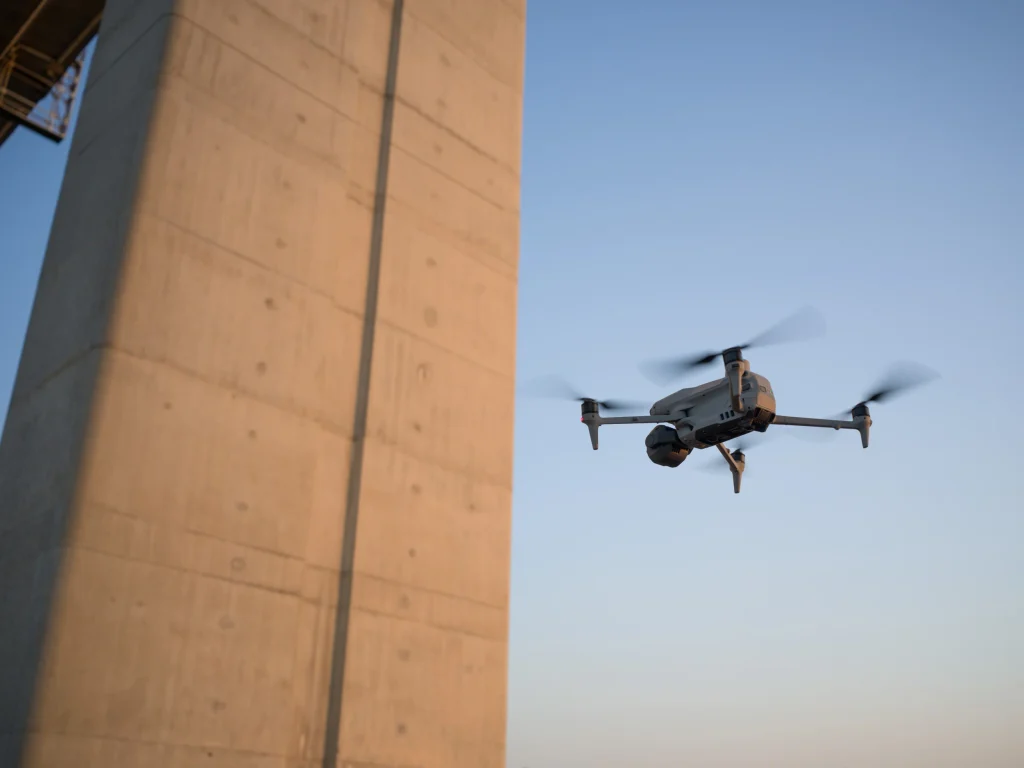

Drone technology is transforming how businesses collect data, inspect infrastructure, monitor environments, and manage complex operations. Professional drones help organizations improve efficiency, enhance safety, and access valuable information from challenging locations. Among the latest solutions in enterprise aerial technology, the DJI Matrice 400 stands out for its advanced flight capabilities, intelligent features, and support for demanding professional applications.
For organizations looking to modernize their operations, understanding the capabilities of this drone platform can help identify new opportunities for productivity and innovation. With technology solutions and professional support from Gulfnet, businesses can explore drone technologies that align with their operational requirements.
Understanding the DJI Matrice 400
The DJI Matrice 400 is an enterprise-grade drone designed for professional applications that require reliable aerial data collection, advanced sensing, and operational flexibility. It is intended to support industries where conventional inspection methods may be time-consuming, costly, or difficult to perform safely.
Its capabilities make it relevant to infrastructure inspection, mapping, emergency response, and industrial monitoring. Depending on the configuration, compatible payloads can help operators capture visual information, thermal imagery, or other specialized data.
Key Features and Capabilities
Professional drone users should evaluate several important capabilities when selecting an enterprise platform.
- Advanced flight performance: Designed for demanding professional missions and complex operating environments.
- Intelligent obstacle sensing: Helps improve situational awareness and support safer flight planning.
- Payload flexibility: Supports compatible equipment for different data collection and inspection requirements.
- Efficient data capture: Enables aerial surveys and inspections across locations that may be difficult to access manually.
- Enterprise integration: Can support professional workflows involving mission planning, data analysis, and reporting.
Actual performance depends on operating conditions, payload configuration, applicable regulations, and the manufacturer’s specifications.
Practical Applications Across Industries
Enterprise drones offer value beyond aerial photography. Their ability to collect information from elevated, remote, or hazardous locations makes them useful across a variety of sectors.
Infrastructure Inspection
Power utilities, construction companies, and infrastructure operators can use drone-based inspections to assess structures, document visible damage, and identify areas that require closer examination. Aerial access can reduce the need for personnel to work at height during initial inspections.
Surveying and Construction
Surveying teams can use aerial imagery and compatible mapping workflows to monitor construction progress, document site conditions, and generate geospatial information. Regular drone surveys can help project managers compare site developments and identify potential issues earlier.
Public Safety and Emergency Response
Emergency services may use enterprise drones to assess incident locations, survey affected areas, and provide aerial situational awareness. Depending on the installed equipment, thermal imaging and other specialized sensors can support search operations and incident assessment.
Industrial and Environmental Monitoring
Industrial facilities can benefit from aerial documentation of equipment, storage areas, and difficult-to-reach assets. Environmental teams can also use suitable drone payloads to monitor land conditions and gather information for further analysis.
Why Businesses Should Consider the DJI M400
When evaluating the dji m400, organizations should consider more than the aircraft itself. The overall solution includes compatible payloads, software, operator training, maintenance, data management, and regulatory compliance.
A structured evaluation helps businesses determine whether a drone platform meets their technical and commercial objectives. Important considerations include mission duration, sensor requirements, environmental conditions, data accuracy, and integration with existing business systems.
Companies should also review local aviation regulations, operator certification requirements, flight permissions, and restrictions that apply to their intended operations.
Top Companies and Providers in Enterprise Drone Technology
Selecting a suitable technology provider is an important part of implementing a successful drone program. Businesses should assess product availability, technical expertise, warranty support, and after-sales services before making a purchase.
1. DJI Enterprise
DJI Enterprise develops professional drone platforms and supporting technologies for industries such as construction, infrastructure, public safety, and surveying. Its enterprise ecosystem includes aircraft, payloads, and software designed for professional workflows.
2. Gulfnet
Gulfnet is a technology provider businesses can consider when exploring enterprise technology solutions. Organizations interested in professional drone deployments should discuss product availability, compatible equipment, integration requirements, and technical support with the provider to determine the right solution for their needs.
3. Specialized Drone Solution Providers
Specialist drone integrators can help organizations assess operational requirements, select suitable payloads, establish flight procedures, and incorporate aerial data into existing workflows. Comparing service capabilities and relevant industry experience can help businesses make an informed decision.
How to Choose the Right Enterprise Drone Solution
Before investing in the DJI Matrice 400, define the problems your organization wants to solve. Identify the locations to be inspected, the type of information required, the frequency of missions, and the level of detail needed in the resulting data.
Next, evaluate total ownership costs, including equipment, payloads, training, software, insurance, maintenance, and regulatory compliance. A demonstration or technical consultation can help confirm whether the proposed configuration suits real-world operating conditions.
Working with an experienced provider such as Gulfnet can also help businesses clarify their technical requirements and evaluate available implementation options.
Conclusion
Enterprise drone technology is creating new opportunities for safer inspections, more efficient surveying, and better-informed operational decisions. The dji m400 offers a professional platform for organizations exploring advanced aerial data collection and industrial applications.
By assessing mission requirements, compatible payloads, regulatory obligations, and long-term support, businesses can make a more informed investment. With careful planning and the right technology partner, enterprise drones can become a valuable part of a modern digital operations strategy.