
Ever open five tabs just to plan one content calendar, track feedback, and keep visual references in the same place? That scattered feeling is exactly what many creators and small teams say they want to escape. Oncepik has appeared across productivity discussions in 2025 and 2026 as a visual-first platform that tries to pull task organization, collaboration, and content workflows into one canvas-style workspace. This guide walks through what sources report about Oncepik, its claimed features, practical use cases, limitations, and how it stacks up against more established tools so you can decide whether it belongs in your stack.
Why Visual Workflow Tools Keep Drawing Attention
Content creators, marketers, remote team leads, and freelancers often juggle separate apps for ideas, tasks, files, and feedback. One tool holds the calendar. Another stores mood boards. A third handles comments. The constant switching drains focus. Visual project boards and AI workflow automation have gained ground because they let people see relationships between assets, deadlines, and owners at a glance instead of hunting through lists.
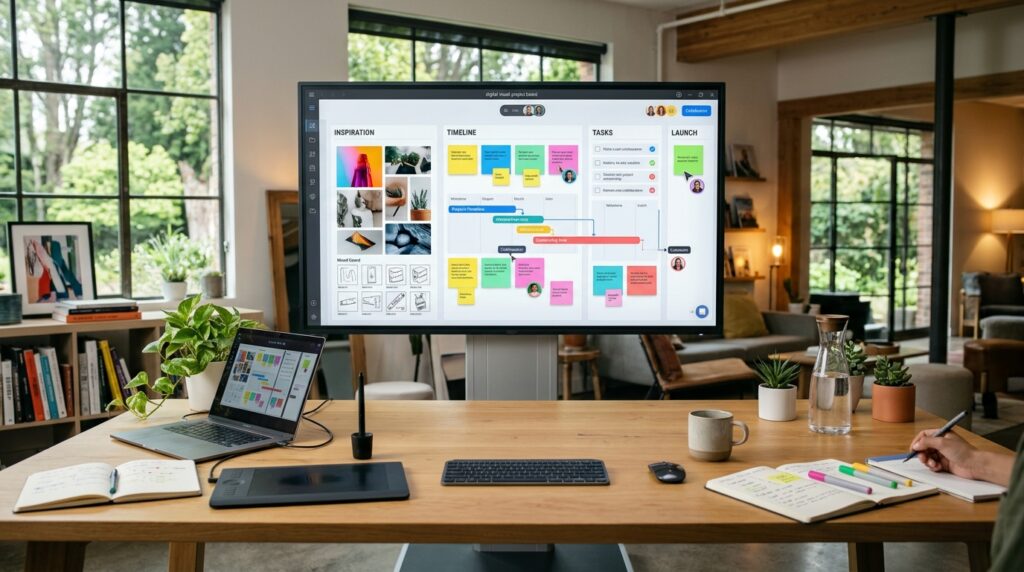
Oncepik is frequently described in this context: a cloud-based workspace that emphasizes images, drag-and-drop cards, and multimedia over pure text lists. Reports position it as a hybrid of digital whiteboard, task tracker, and light content planner aimed at people who think in pictures and need structure without heavy enterprise overhead. Whether the platform fully delivers on that promise varies by source, and independent verification remains limited compared with mature tools. Still, the idea itself addresses real friction in digital content management and creative collaboration software.
What Sources Say Oncepik Actually Is
Across multiple write-ups from late 2025 into 2026, Oncepik is presented as a visual-first productivity and collaboration platform. Core descriptions include:
- Boards that function like flexible digital canvases where users drop images, notes, files, videos, and tasks.
- Task management layered onto those visuals so cards can carry deadlines, assignees, and status.
- Real-time collaboration features such as comments, live editing, and shared workspaces.
- Some AI-assisted elements for outlining, prioritization, or content suggestions.
- Templates aimed at content calendars, campaign planning, and creative projects.
One consistent theme is the attempt to reduce tool-switching. Instead of moving an idea from a notes app to a Kanban board to a design file and then into a messaging thread, the reported design keeps context in one place. Think of it as a mood board that also tracks progress and ownership.
A separate thread of content links the name to oncepik.net, described as a technology news and journalism site focused on software, AI, and digital culture. Some articles treat the productivity tool and the news site as related or overlapping under the same brand umbrella. This dual presence can create confusion when searching, so readers should clarify which aspect they are evaluating.
Launch timing is generally placed in the mid-2020s, with heavier coverage appearing in 2025. User base claims and specific traction numbers differ across pieces and are hard to confirm independently. Pricing mentions typically include a free tier with limited boards or storage and paid plans that unlock more workspaces, AI features, storage, and collaboration capacity. Exact current numbers change, so checking any official pricing page remains essential.
Core Features Reported for Oncepik
Writers and review-style posts highlight several recurring capabilities. These descriptions come from secondary coverage rather than extensive hands-on testing across independent outlets, so treat them as reported functionality.
Visual project boards
Users arrange cards, images, and media on open canvases. This spatial layout suits brainstorming, storyboarding, content mapping, and campaign flows. Cards can hold notes, links, and attachments so the visual and the actionable stay together.
Task and progress tracking
Boards support assigning owners, setting due dates, breaking work into subtasks, and moving items through stages. Some coverage mentions progress indicators and basic reporting that help teams see bottlenecks without leaving the board.
Collaboration tools
Real-time editing, comments anchored to specific cards or images, and shared workspaces appear regularly in feature lists. Voice notes or sketch overlays are mentioned in a few pieces as ways to keep feedback close to the work itself.
AI-assisted workflow elements
Several articles point to AI for generating outlines from keywords, suggesting task prioritization, or helping repurpose content across formats. Claims range from practical drafting help to predictive bottleneck alerts. Depth and reliability of these features are not uniformly documented.
Templates and content management
Pre-built structures for editorial calendars, project kickoffs, and creative briefs are noted. Multimedia support (images, short video, files) is emphasized so digital content management happens inside the same environment as planning.
Cloud access and basic integrations
As a cloud tool, it is designed for remote access. Mentions of connections to other common platforms exist, though the breadth of integrations looks narrower than what mature project management suites offer.
These elements aim at workspace productivity for visual thinkers. A content team might pin reference images next to draft outlines and deadlines. A freelance designer could keep client feedback, versions, and next steps on one board. A small marketing group might map a campaign visually while assigning tasks in the same view.
Practical Use Cases for Creators and Teams
Consider a solo blogger planning a month of posts. Traditional flow often means a spreadsheet for titles and dates, a folder for images, a doc for drafts, and email or chat for any collaboration. With a visual board approach like the one described for Oncepik, the calendar, visual references, outlines, and status can live together. Dragging a card from “idea” to “drafting” to “scheduled” keeps momentum visible.
Remote creative teams face similar fragmentation. Designers, writers, and strategists often lose context when assets and comments live in separate places. A shared visual canvas can reduce “which version is current?” questions and make handoffs clearer. Marketing leads running multiple campaigns benefit from seeing interdependencies spatially rather than in long linear lists.
Small business owners and team leads who manage both internal projects and client deliverables report interest in tools that feel lighter than full enterprise suites yet more structured than pure whiteboarding apps. Cloud task tracking that still feels creative can lower the barrier for non-technical users.
None of these scenarios require Oncepik specifically. Established alternatives already cover many of the same needs. The reported value lies in the particular combination of visual-first design plus task and light AI features in one interface.
Strengths and Limitations: A Balanced View
Potential strengths
The visual emphasis can lower friction for people who think in images and spatial relationships. Combining media, notes, and tasks in one board reduces context switching. Templates and simple collaboration features may suit small teams or individuals who want something between a pure whiteboard and a rigid project tracker. AI assists, when they work well, can speed early-stage outlining and prioritization.
Clear limitations and open questions
Independent, in-depth reviews from major tech outlets remain scarce compared with tools that have years of public scrutiny. Feature claims vary across promotional-style articles, which makes it harder to separate marketing language from consistent performance. AI capabilities are described at different levels of sophistication; real output quality and consistency matter more than the label. Integrations, mobile experience depth, offline support, enterprise controls, and data export options receive less detailed coverage. Pricing transparency and long-term roadmap details also appear thinner than for mature competitors.
Credibility questions arise simply because so much of the available material follows similar promotional patterns. Readers should treat early coverage with healthy skepticism, test any free tier thoroughly, and evaluate security and data practices before moving sensitive client work onto a newer platform.
How Oncepik Compares to Familiar Alternatives
A practical comparison helps set expectations.
- Versus pure Kanban tools such as Trello: Oncepik is described as more media-rich and canvas-oriented, while Trello remains simpler and more widely integrated.
- Versus flexible databases like Notion: Notion offers deeper customization and knowledge-base power; the reported Oncepik experience leans more visual and less structured around databases.
- Versus design collaboration platforms such as Miro or Figma: Those tools excel at infinite whiteboarding or interface design. Oncepik is positioned closer to project tracking with visual flavor rather than advanced design fidelity.
- Versus full project suites like Asana or ClickUp: Those platforms generally provide stronger hierarchy, automation depth, and reporting. Oncepik aims for a lighter, more creative feel.
- Versus dedicated AI writing tools: Pure writing assistants focus on generation speed. The reported Oncepik approach tries to keep planning, writing assistance, and tracking in one place.
No single tool wins every category. The best choice depends on whether your biggest pain is visual organization, heavy process management, pure content generation, or design collaboration. Many teams still combine two or three specialized tools rather than forcing everything into one.
Getting Started and Realistic Next Steps
If the concept appeals, begin with a free or trial account if available. Import a small real project rather than a hypothetical one. Test how easily images, notes, and tasks coexist. Invite one or two collaborators and watch the feedback loop. Measure whether the visual layout actually reduces the number of apps you open each day.
Watch for practical signals: speed of the interface under load, quality of any AI suggestions on your actual content, reliability of real-time updates, and ease of exporting or migrating data later. Check privacy policies and data handling practices carefully.
Five practical tips for evaluating any new visual workflow tool, including one like Oncepik:
- Map your current tool stack and note the exact friction points you want to solve.
- Run a two-week pilot on one active project instead of migrating everything at once.
- Involve the people who will actually use the boards daily and gather their feedback early.
- Confirm mobile and offline behavior if your work happens away from a desk.
- Document exit costs: how hard is it to leave with your data intact?
Who Might Find Value and Who Should Look Elsewhere
Content creators, bloggers, digital marketers, and small creative teams who already think in boards and images may find the reported approach appealing, especially if they want lighter weight than enterprise project software. Remote team leads seeking a shared visual space for campaign planning could benefit from the combination of media and tasks.
Teams that need robust automation, advanced permissions, deep analytics, extensive integrations, or proven enterprise security will likely stay with more mature platforms for now. Individuals who prefer pure text lists or highly customizable databases may find the visual emphasis less necessary.
Final Assessment and Takeaways
Oncepik is presented in 2025–2026 coverage as a visual-first digital workspace that blends project boards, collaboration, content planning, and some AI assistance. The core idea responds to genuine workflow pain: too many disconnected tools and not enough shared visual context. Whether the platform itself has matured into a reliable daily driver is harder to confirm from available secondary sources. Feature lists sound promising for creative and content-focused users, yet independent validation, integration breadth, and long-term track record lag behind established alternatives.
Approach it the same way you would any emerging productivity tool. Test it against your real work. Compare the experience directly with tools you already trust. Prioritize clarity of ownership, data portability, and actual time saved over marketing language. Visual project boards and thoughtful AI workflow automation can improve workspace productivity when they fit the way a team already thinks. The right tool is the one that disappears into the background so the work itself stays front and center.
If you have tried Oncepik or a similar visual collaboration platform, share what worked and what felt incomplete. Practical experiences from other creators and teams remain the most useful signal as the space continues to evolve.
FAQs
What is Oncepik?
Sources describe Oncepik as a visual-first cloud platform that combines project boards, task tracking, multimedia organization, collaboration features, and some AI assistance for content and creative teams.
Is Oncepik free?
Coverage commonly mentions a free tier with limits on boards, storage, or collaboration, plus paid plans for expanded capacity and advanced features. Check current official pricing for accurate details.
Who is Oncepik best for?
It is most often positioned toward content creators, marketers, freelancers, and small remote teams that prefer visual organization over pure text lists or heavy enterprise systems.
Does Oncepik include AI features?
Several articles report AI elements for outlines, prioritization, content suggestions, or workflow insights. Depth and consistency of these features vary in descriptions and should be tested directly.
How does Oncepik compare to Trello or Notion?
It is described as more media- and canvas-oriented than classic Trello and more visually focused than Notion’s flexible databases, though it generally offers less customization depth and fewer proven integrations than either mature tool.
Is Oncepik safe to use for client work?
Evaluate the platform’s privacy policy, data handling, and security practices yourself. Newer tools often lack the long public track record of established alternatives, so start with non-sensitive projects.
Can Oncepik replace multiple apps?
The reported goal is reducing tool-switching by keeping visuals, tasks, and collaboration together. Most teams still find specialized tools stronger for advanced design, pure writing, or complex process management.
You May Also Like: Software RCSDASSK: The All‑in‑One Platform Unifying Remote Config and Data Access