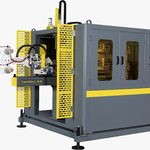
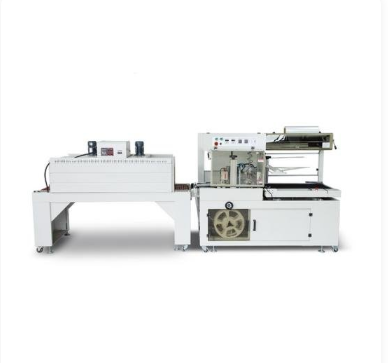

Businesses that package products regularly must balance speed, protection, material use, and labor requirements. An automatic wrapping machine can help manage these priorities by applying packaging material through a controlled mechanical process.
The benefits vary according to the machine design and application. A pallet wrapper, for example, focuses on load stability, while an individual-product wrapping machine may prioritize appearance, sealing, and package dimensions.
Understanding these benefits can help businesses determine whether packaging automation is a suitable investment.
More Consistent Packaging
One of the main advantages of automatic wrapping is repeatability. Once the equipment is correctly configured, it can follow the same wrapping sequence for products that meet the machine’s operating requirements.
This can reduce differences caused by individual wrapping techniques. In pallet applications, consistent film overlap and tension can help maintain load containment. In product packaging, a suitable machine can produce more uniform wrapping and sealing.
Consistency still depends on correct setup, suitable materials, and regular inspection. Automation cannot compensate for an unsuitable wrapping pattern or a product that is loaded incorrectly.
Improved Packaging Output
Automatic wrapping machines can process products without requiring an employee to complete every wrapping movement manually. This can increase throughput in operations where packaging is repetitive and demand is high.
The actual increase depends on how products reach the machine, how frequently materials need replacement, and how often the line changes between product types.
Businesses should examine complete cycle times, including loading, unloading, material changes, and downtime. This provides a more realistic understanding of production capacity than relying on a headline speed specification.
Better Use of Packaging Material
Many automatic wrapping machines allow operators to adjust material tension, film delivery, wrapping layers, and other settings. Proper adjustment can help avoid unnecessary film consumption while maintaining the required packaging performance.
For pallet wrapping, the goal is to achieve sufficient load containment without applying excessive film. Too little film may allow the load to shift, while excessive wrapping increases material costs and waste.
The best settings depend on load weight, carton arrangement, pallet quality, film characteristics, and transportation conditions. Testing representative loads is a practical way to find a suitable configuration.
Reduced Repetitive Manual Work
Wrapping products by hand can involve repeated bending, reaching, walking, and handling of packaging materials. An automatic system can reduce some of these repetitive tasks and allow employees to focus on monitoring, inspection, and material management.
However, the machine must be designed and installed with worker safety in mind. Moving turntables, rotating arms, conveyors, cutters, and heat tunnels may present hazards.
Suitable guarding, emergency stops, safe operating procedures, and employee training are essential. Operators should never bypass protective devices to increase production speed.
Improved Workflow and Organization
When wrapping equipment is placed correctly within a production line, it can reduce unnecessary product movement and create a clearer sequence between manufacturing, packaging, and storage.
For example, finished cartons can travel directly to a pallet wrapping station before being transferred to a designated warehouse area. This arrangement may reduce handling steps and help workers identify completed loads.
The surrounding space must be planned carefully. There should be enough room for product movement, film replacement, routine inspection, and safe access for maintenance staff.
Easier Process Monitoring
Many modern machines provide control panels that display operating settings, alarms, and cycle information. Some advanced systems can store recipes for different product types or communicate with other production equipment.
These features can help operators identify recurring issues and standardize approved machine settings. More advanced monitoring capabilities depend on the model and control system.
Businesses can use production records to investigate stoppages, compare material consumption, and identify opportunities for improvement.
Calculating Business Value
Before investing, businesses should estimate how much packaging work is currently performed manually, how much output is required, and what problems the new machine is expected to solve.
The evaluation should include purchase price, installation, operator training, energy consumption, packaging materials, maintenance, and spare parts. It should also account for the cost of downtime and any changes needed to the production layout.
Automation is most useful when the machine addresses a clear operational need. A system that is too large or complicated for the actual workload may not deliver the expected return.
Conclusion
An automatic wrapping machine can improve packaging consistency, support higher output, reduce repetitive handling, and help control material use. These benefits depend on correct equipment selection, suitable settings, worker training, and ongoing maintenance. Evaluating the complete packaging process helps businesses decide whether automation will provide practical value.